It's mushroom (and toadstool) Time!
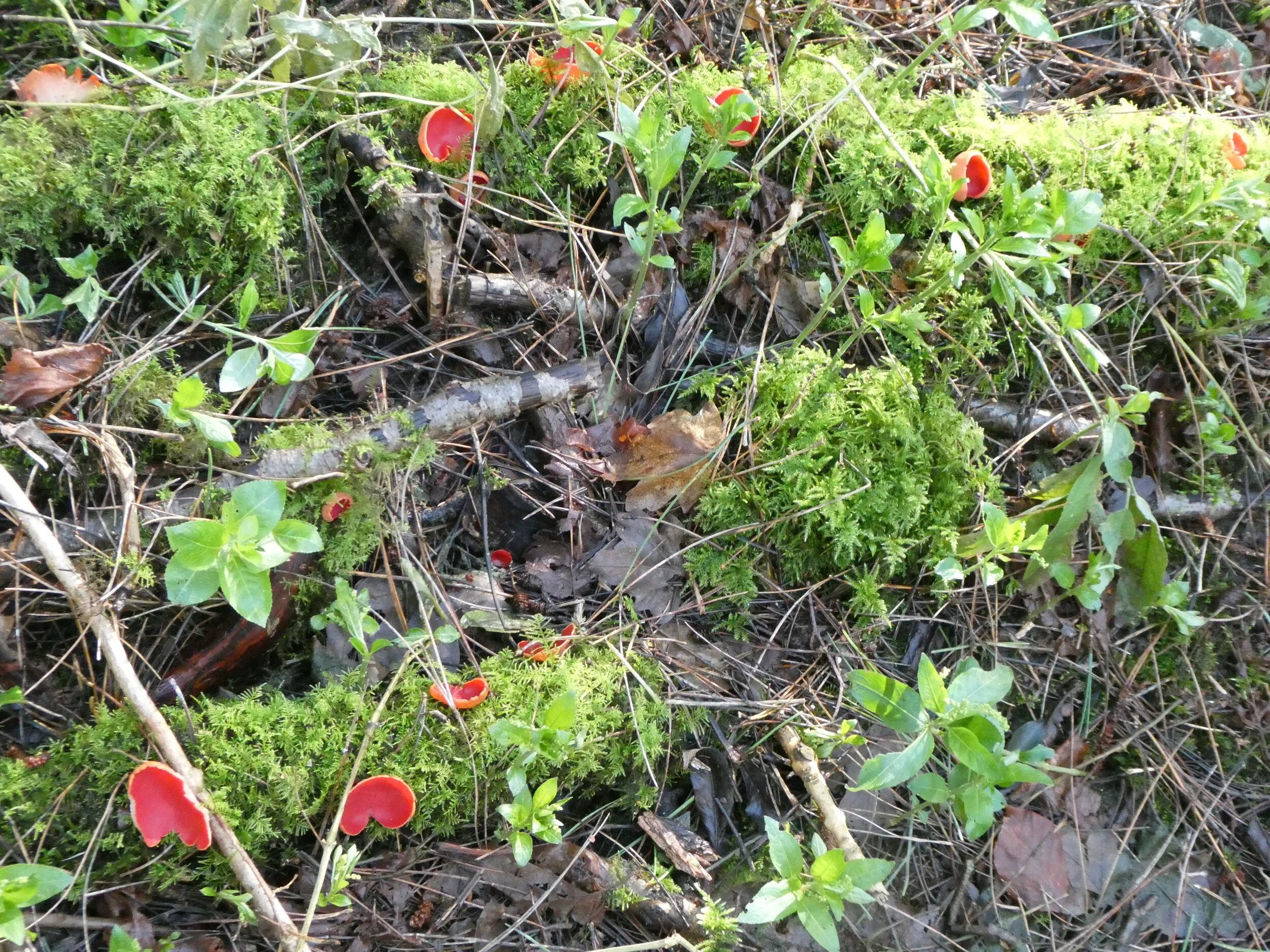
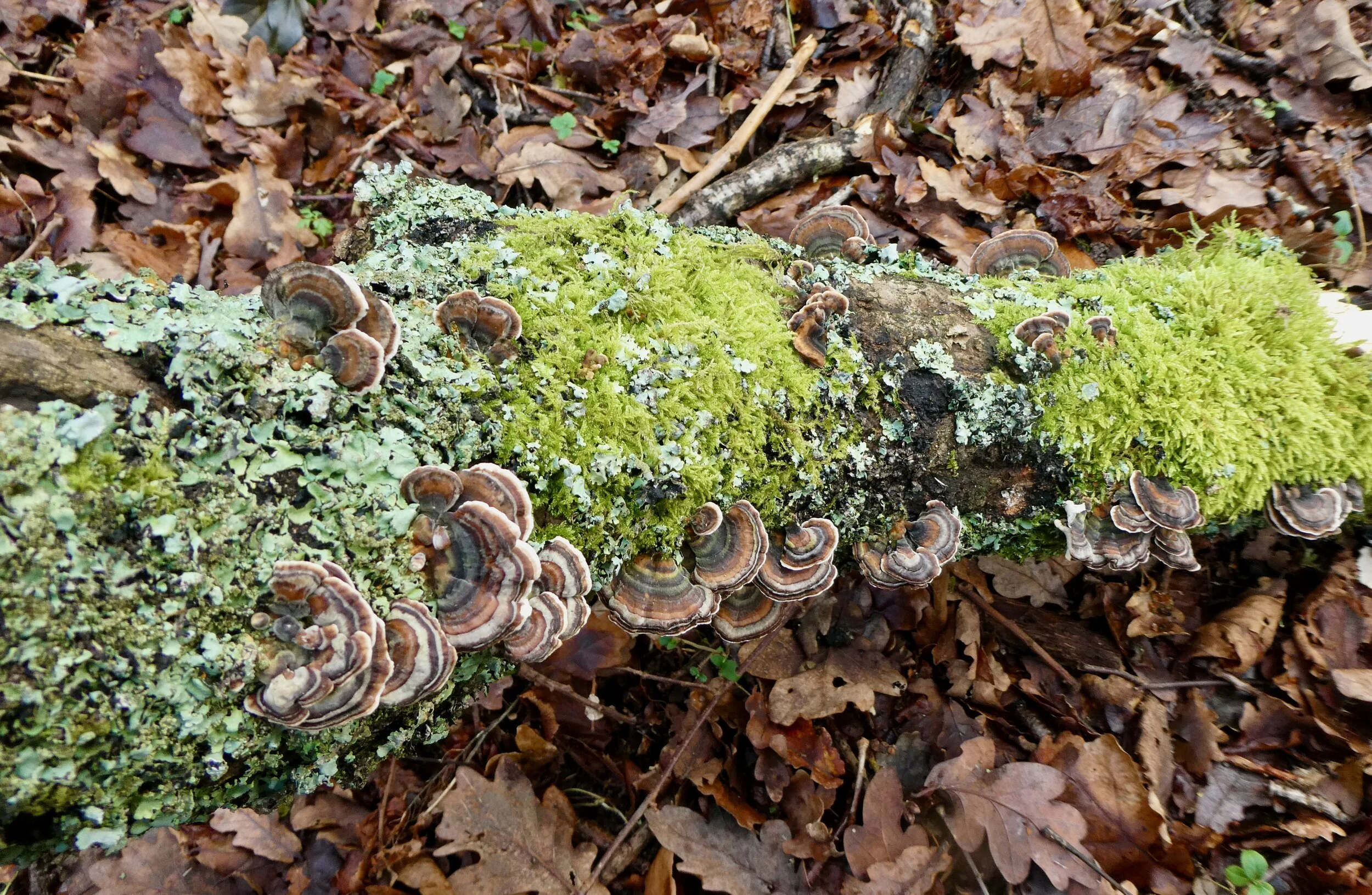
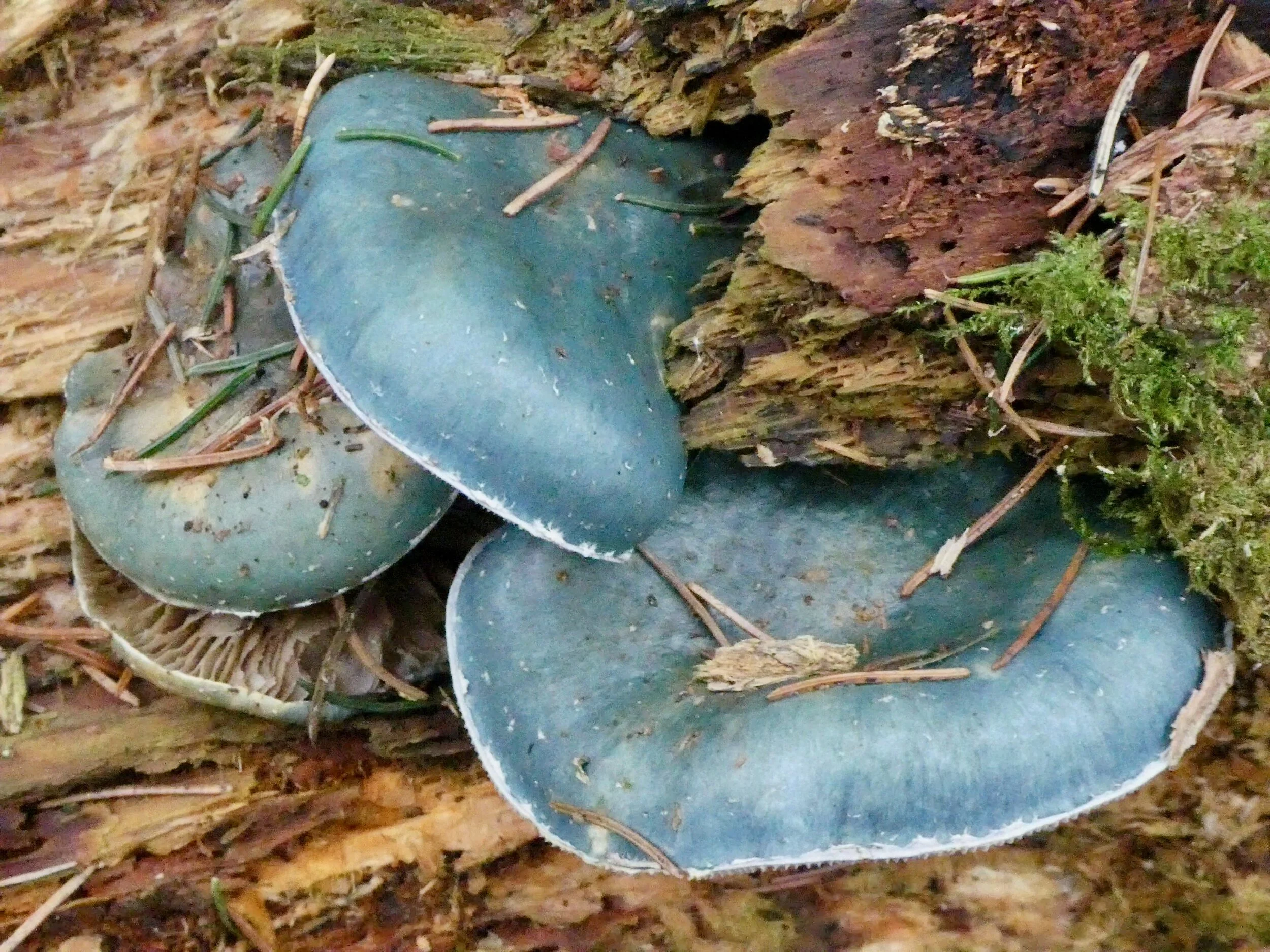
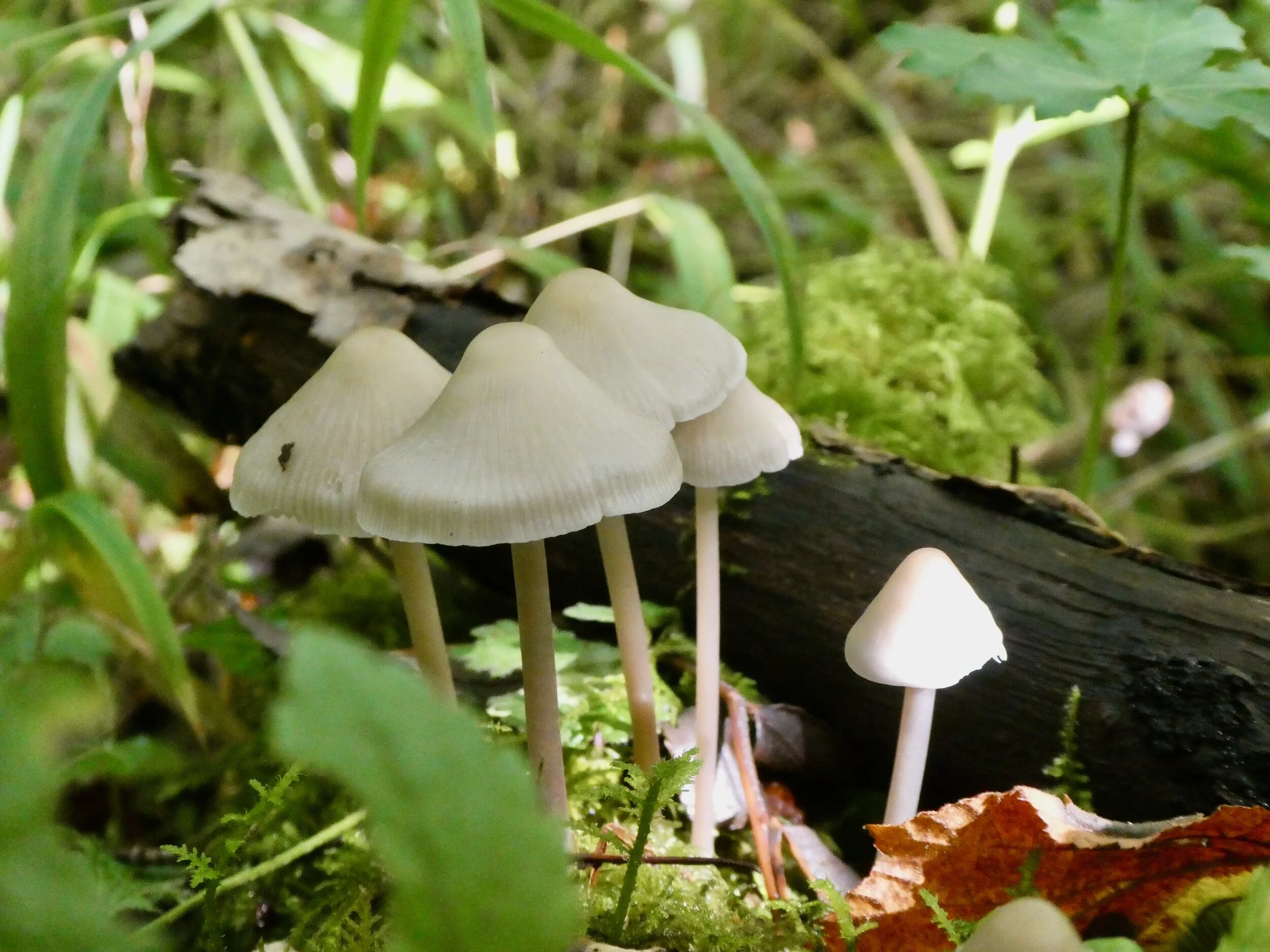
This will be my third winter in Dormouse Wood and it’s shaping up to be a magical season for mushrooms and toadstools. So far I have seen at least a dozen different types, although so far, none of the bright blue ones I found just once during our first winter at the wood, or the vivid reds and scarlets of the elf caps.
I want to share something I found out recently, having finally got round to starting to read up on the subject … the difference between a toadstool and a mushroom. It turns out that there seems to be no hard and fast line but that generally if it is edible it is classed as a mushroom and if poisonous, as a toadstool. Likewise I have been using the term ‘fungi’ incorrectly (sorry!) so here is a brief overview what I found, in case you are also unsure:
Fungi are mostly microscopic organisms. They include mushrooms, yeast and moulds. Fungi are almost always invisible to the naked eye. At intervals, some fungi will produce large ‘fruiting bodies’ called mushrooms (or presumably, toadstools) that generate huge numbers of spores for reproduction.
Fungi are different from all other living things because the type of wall they have surrounding their cells. For example plant walls are made from cellulose. The cell walls of fungi are made from a compound called chitin, which is also found in arthropods i.e. an invertebrate which protects itself with an exoskeleton - examples include spiders, beetles and scorpions.
More than 100,000 species of fungi have been identified and it is estimated that there are over 1.5 million species. Two groups of multicellular fungi contain over 95% of all species. One of these groups is called ‘basidiomycetes’ and this includes the mushroom producing fungi.
Mycology (the study of fungi) is a key field of biology because fungi are important for a number of ecological and economic reasons. For example, mushrooms, truffles and yeast are significant in the food and alcohol industries as sources of food and in the process of fermentation. They are also used when producing antibiotics.
Of particular relevance to Dormouse Wood is the fact that fungi are one of the most important decomposers of dead plant material, which is why most mushrooms are seen on dead wood or growing on decomposing leaf mould etc. Mushrooms recycle nutrients back into ecosystems. This is essential, as otherwise habitats would become infertile and struggle to support life. However there is usually a downside and fungi can also be problematic and damaging. In woodlands, fungi can damage or kill trees - I have mentioned elsewhere that our ash is suffering from Ash Die Back. That is caused by a fungus called Hymenoscyphus fraxineus. This originated in Asia but the native ash trees had a natural resistance. Sadly, when the fungus migrated to other continents the local ash species had no immunity and it started killing them. A secondary problem, which can speed up the death of an infected tree is an organism called Honey Fungus which attacks the roots. So far we appear free of it though, thank goodness.
Many fungi, known as mycorrhizae, live in close association with the roots of plants and most actually help them to absorb more nutrients. The vast majority of plants rely on help from fungi to successfully compete with neighbouring plants for nutrients.
I’ll end my mini ‘fungi lecture’ here. Going back to Dormouse Wood and its mushrooms - by the way I am not going to waste words by typing or saying ‘mushrooms or toadstools’ every time, so please don’t tell me off about it.
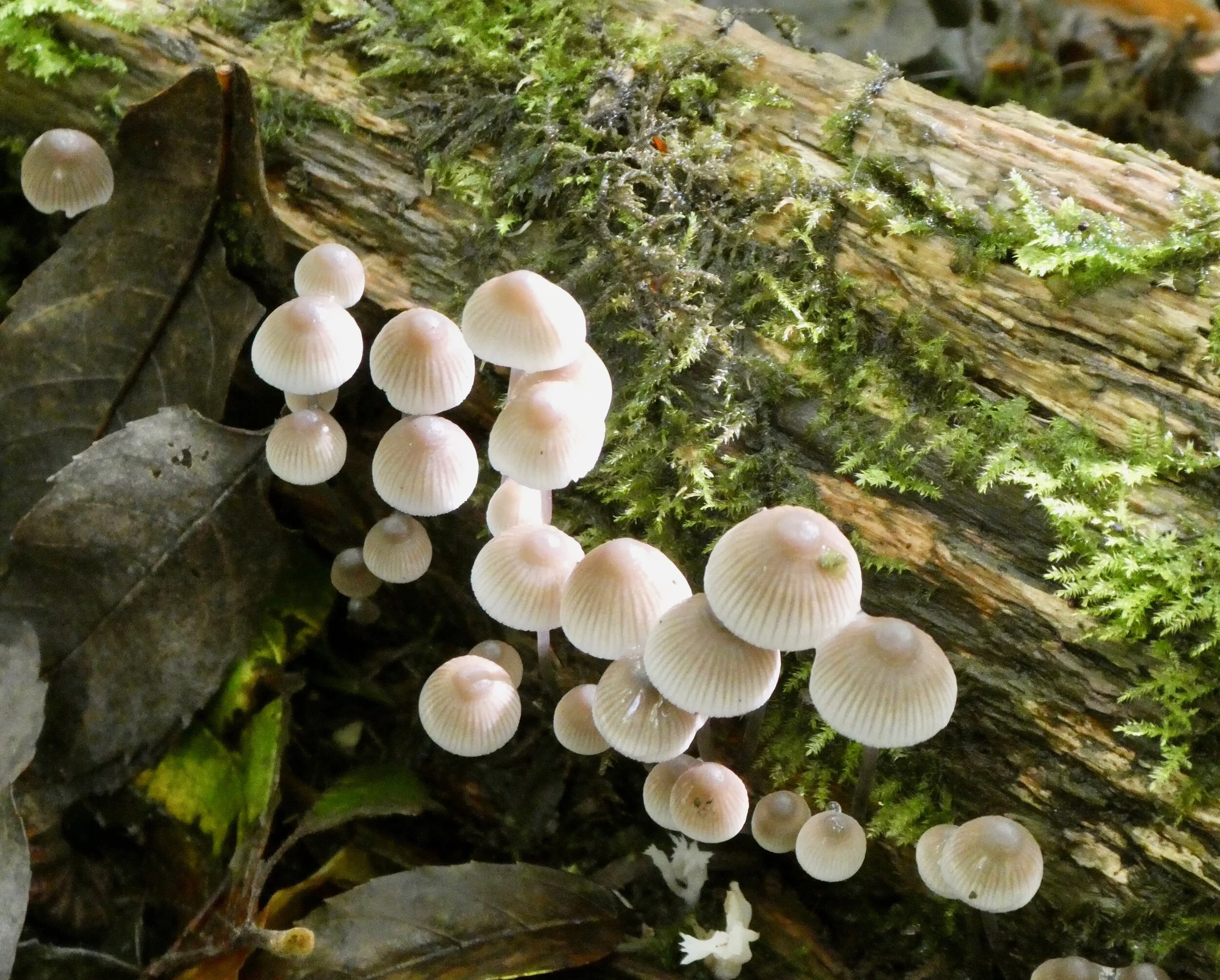
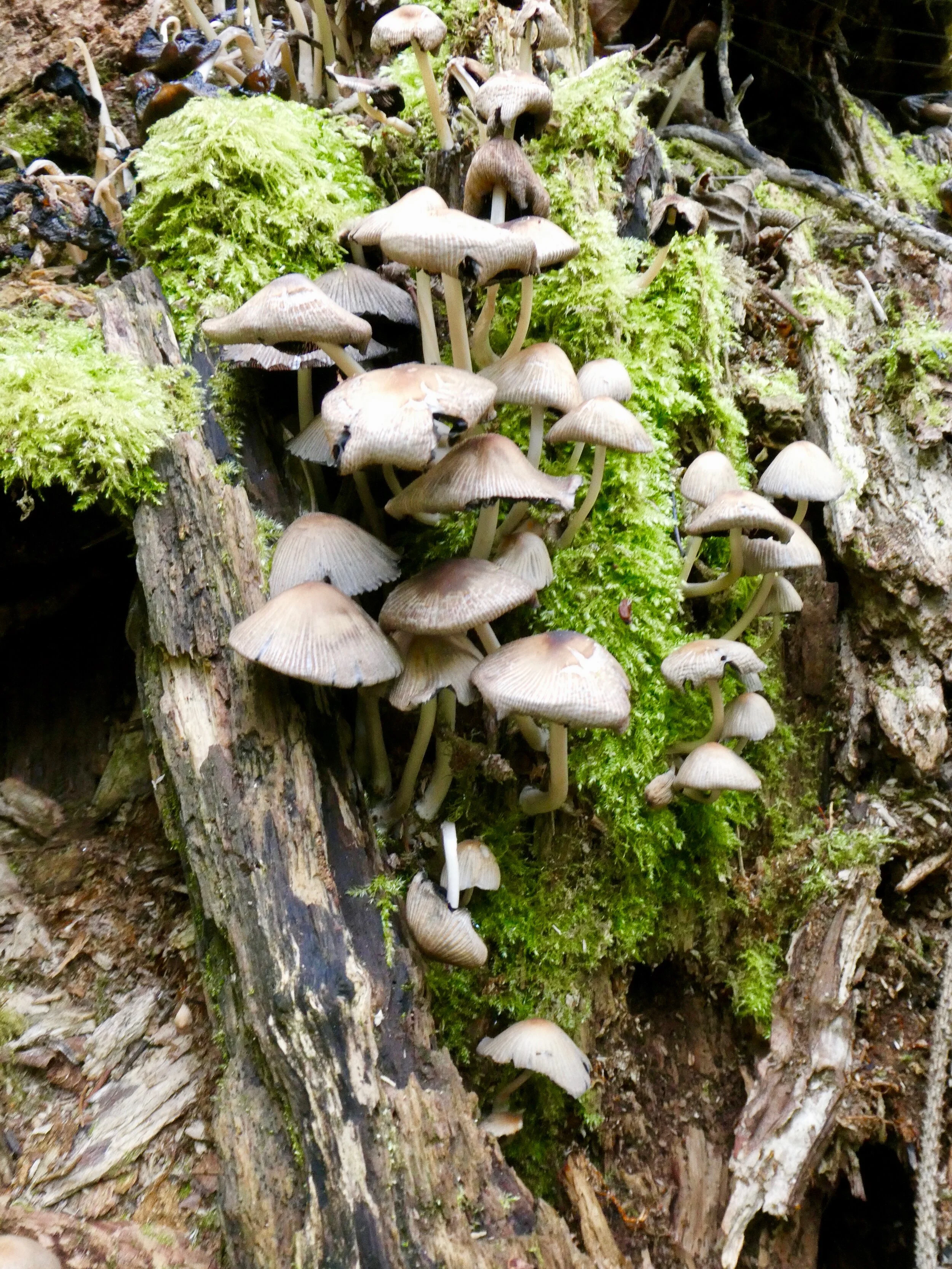
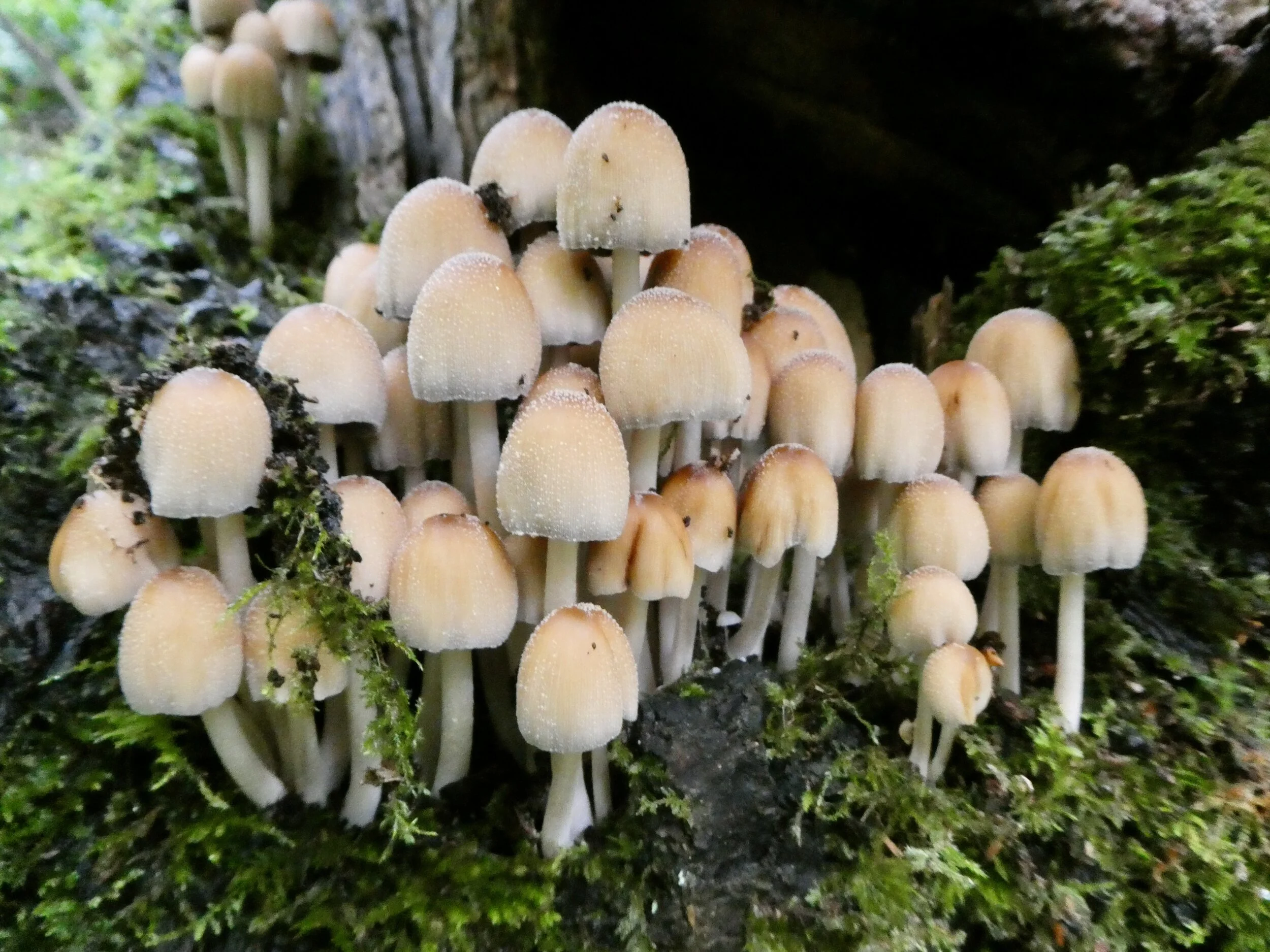
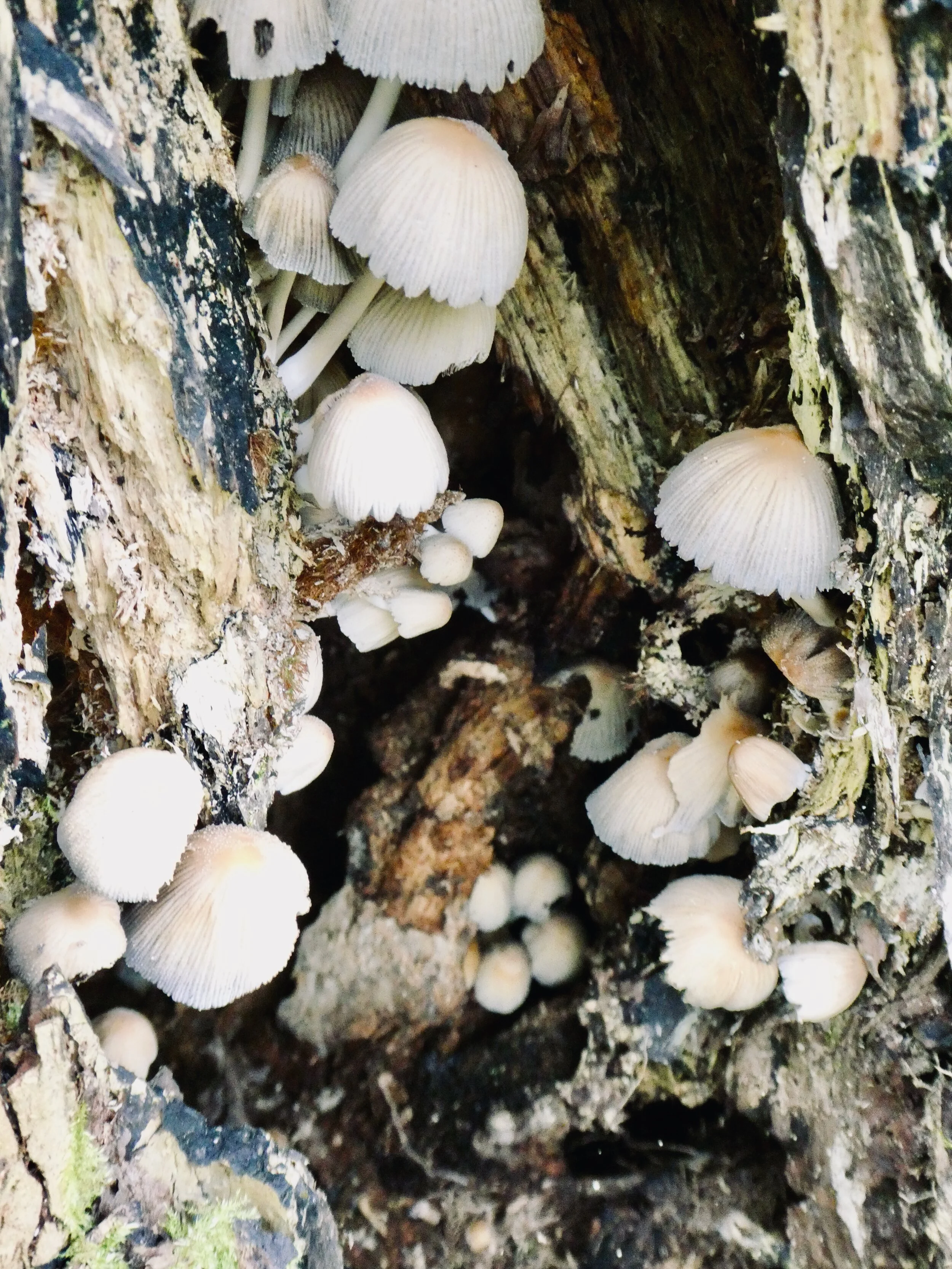
One of the things I love is how so many mushrooms appear and disappear in a matter of days or even hours, so it’s a constant surprise as to what you will find. My favourite fallen tree (also perfect for sitting) produces thousands of tiny mushrooms a few times a year. You go past one day and there is nothing to see, the next time it is smothered in pale brown fungi which take just a couple of days to blacken and die down again.
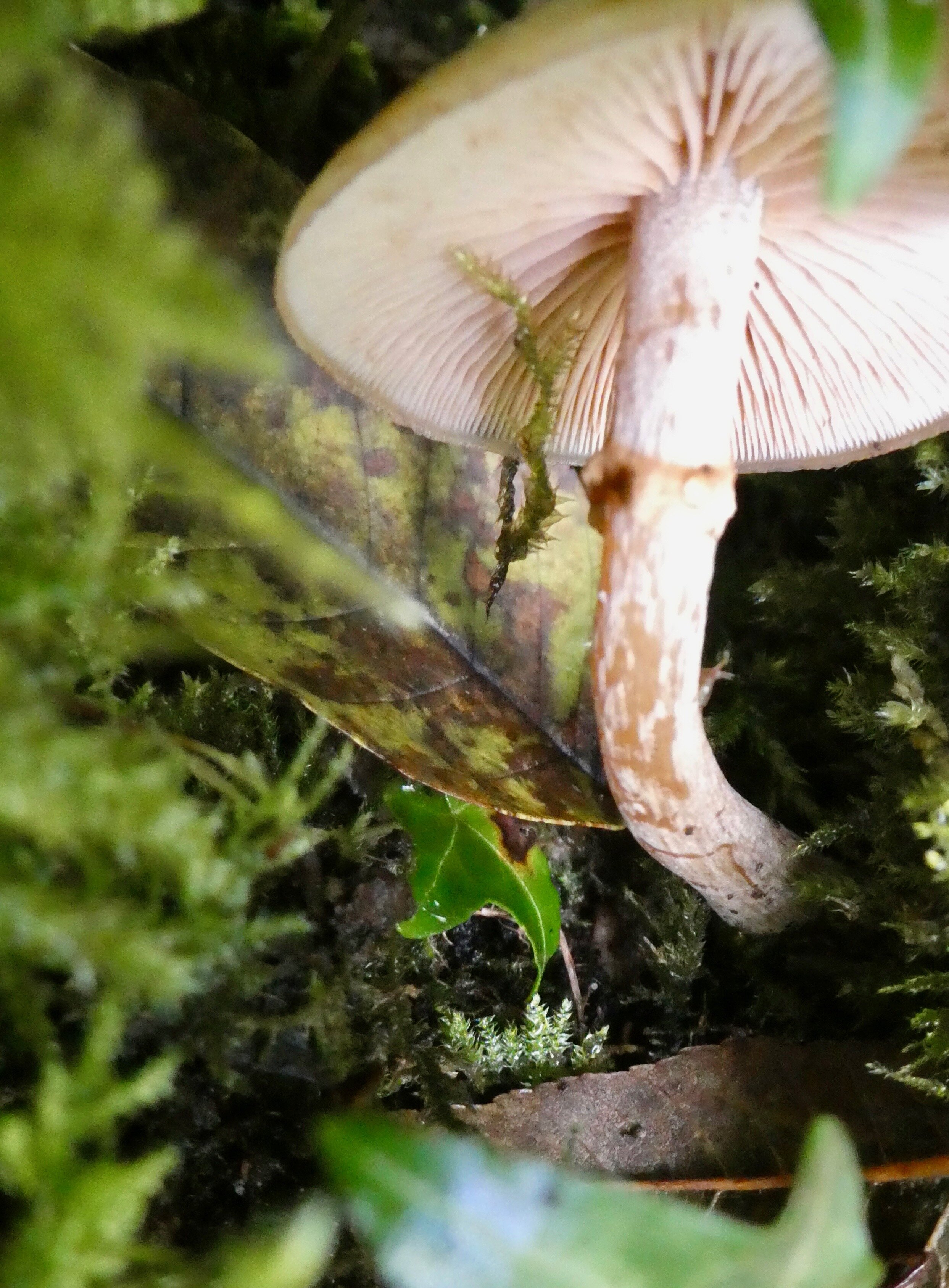
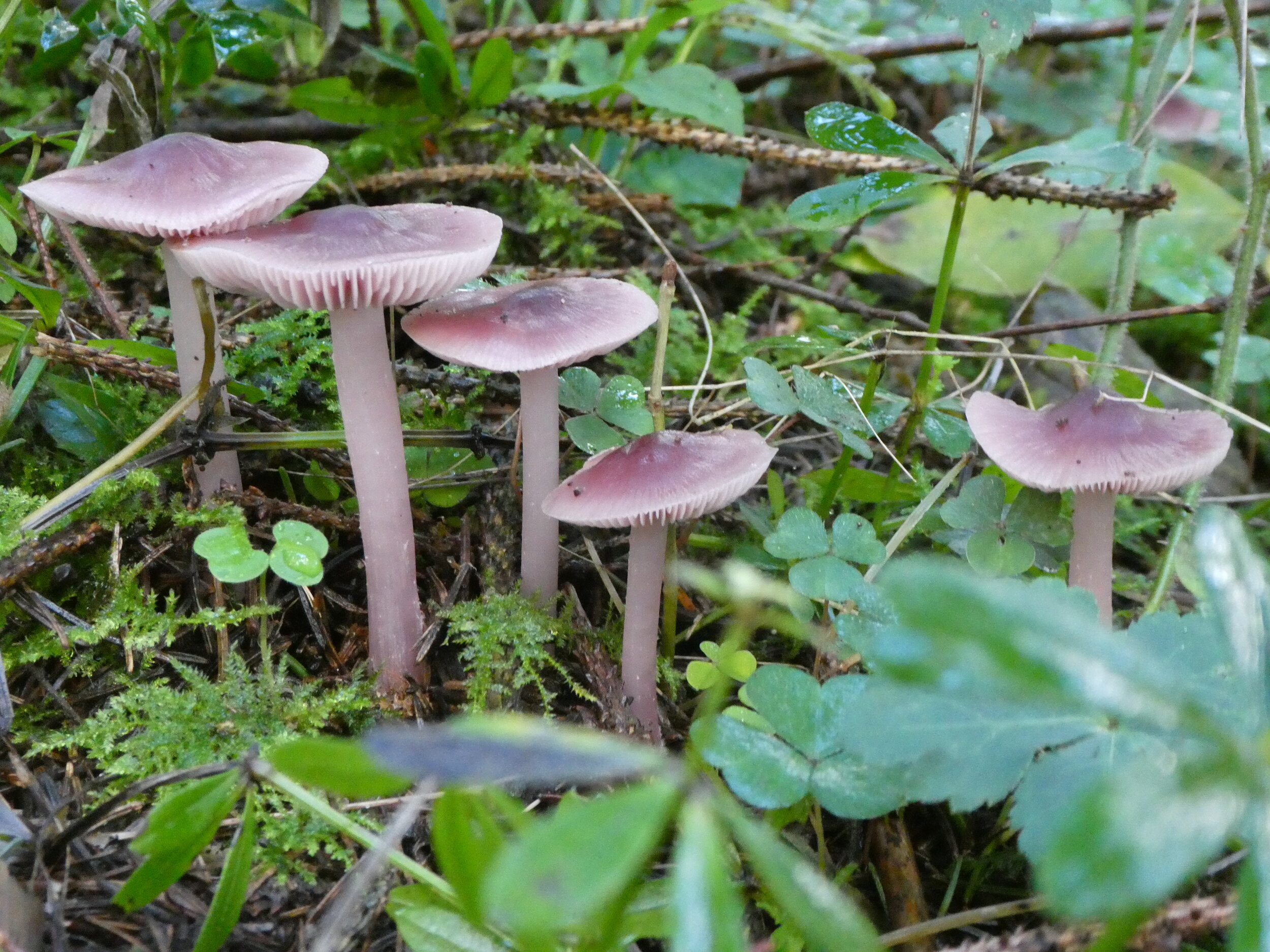
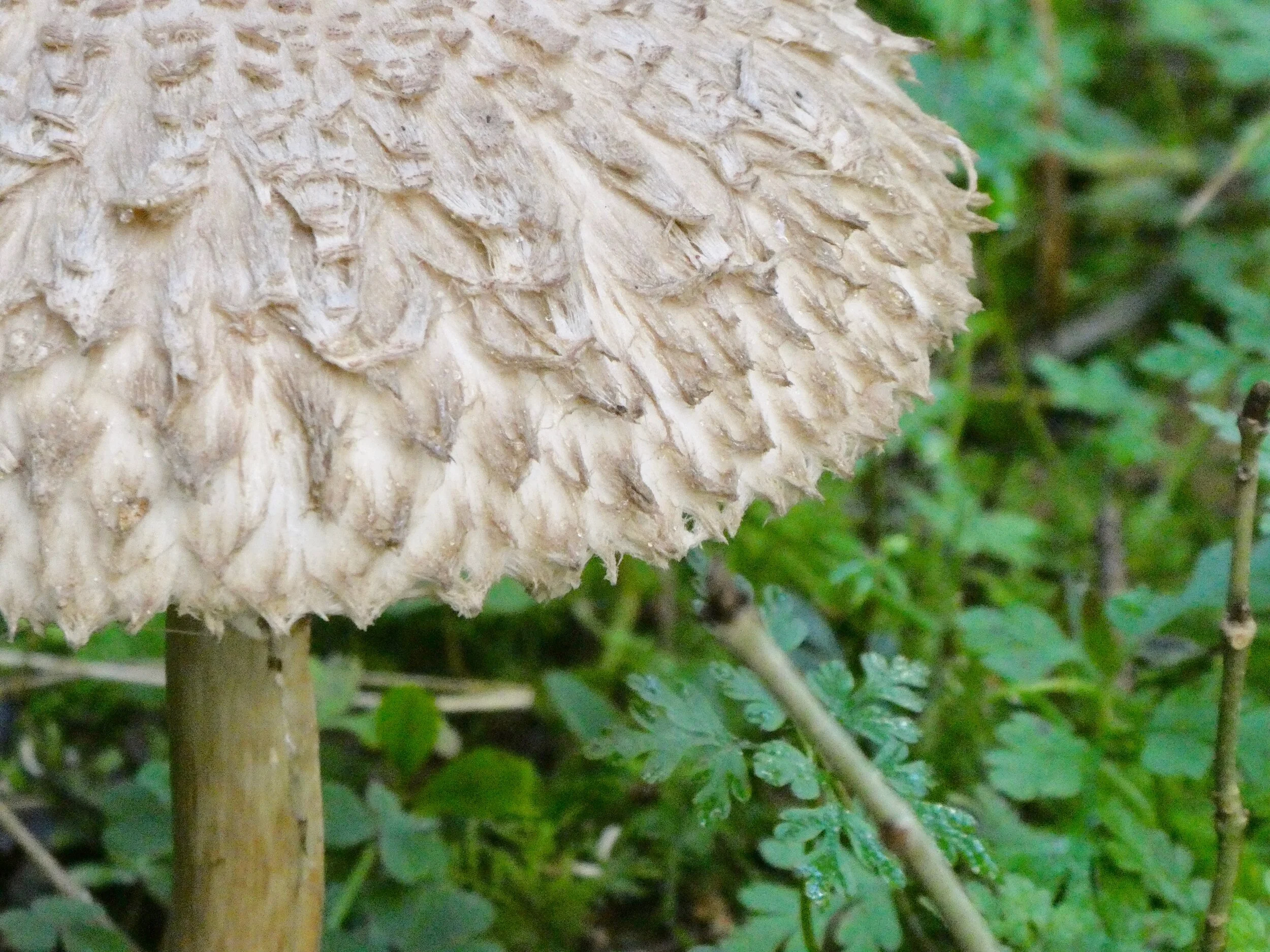
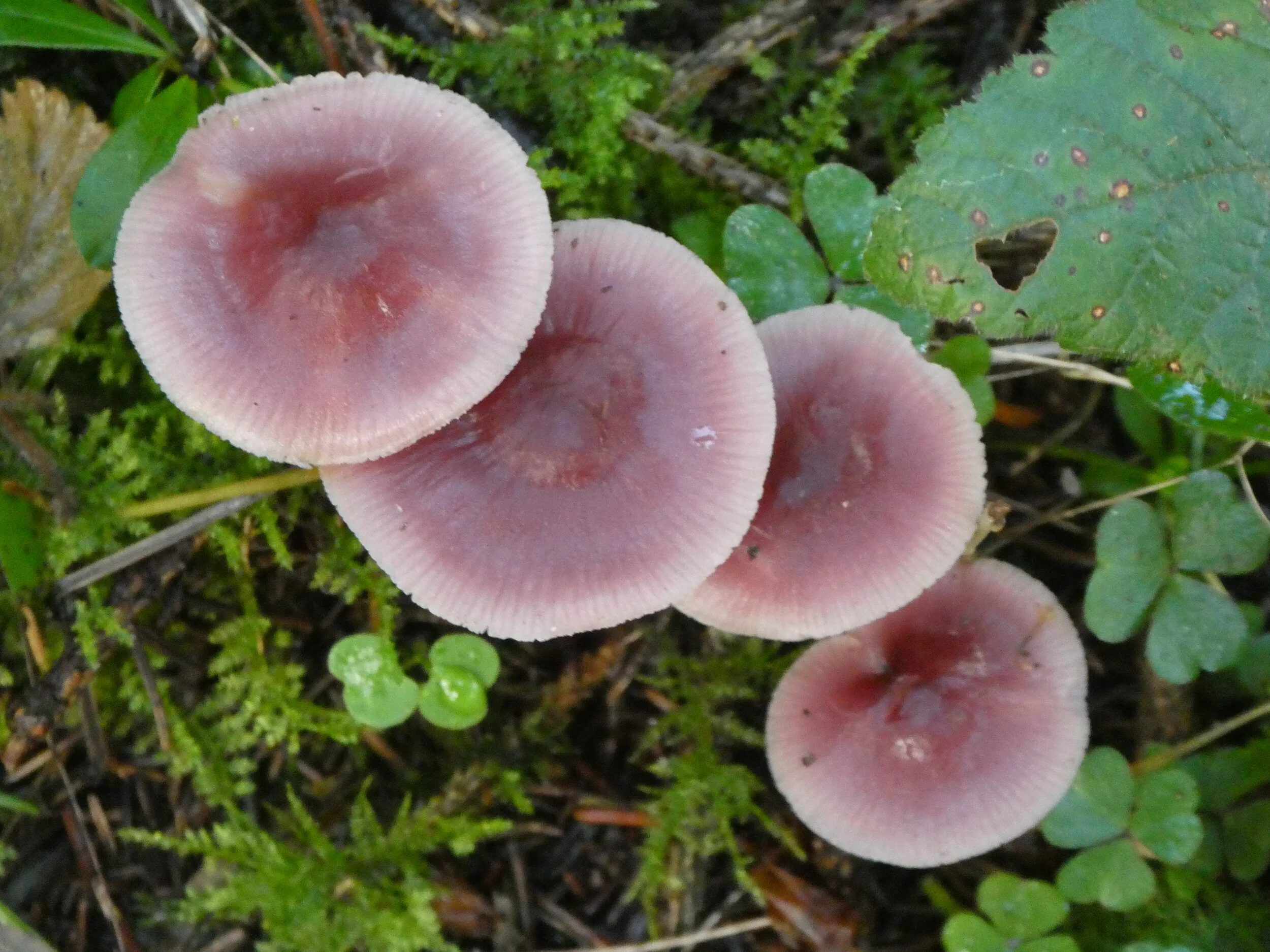
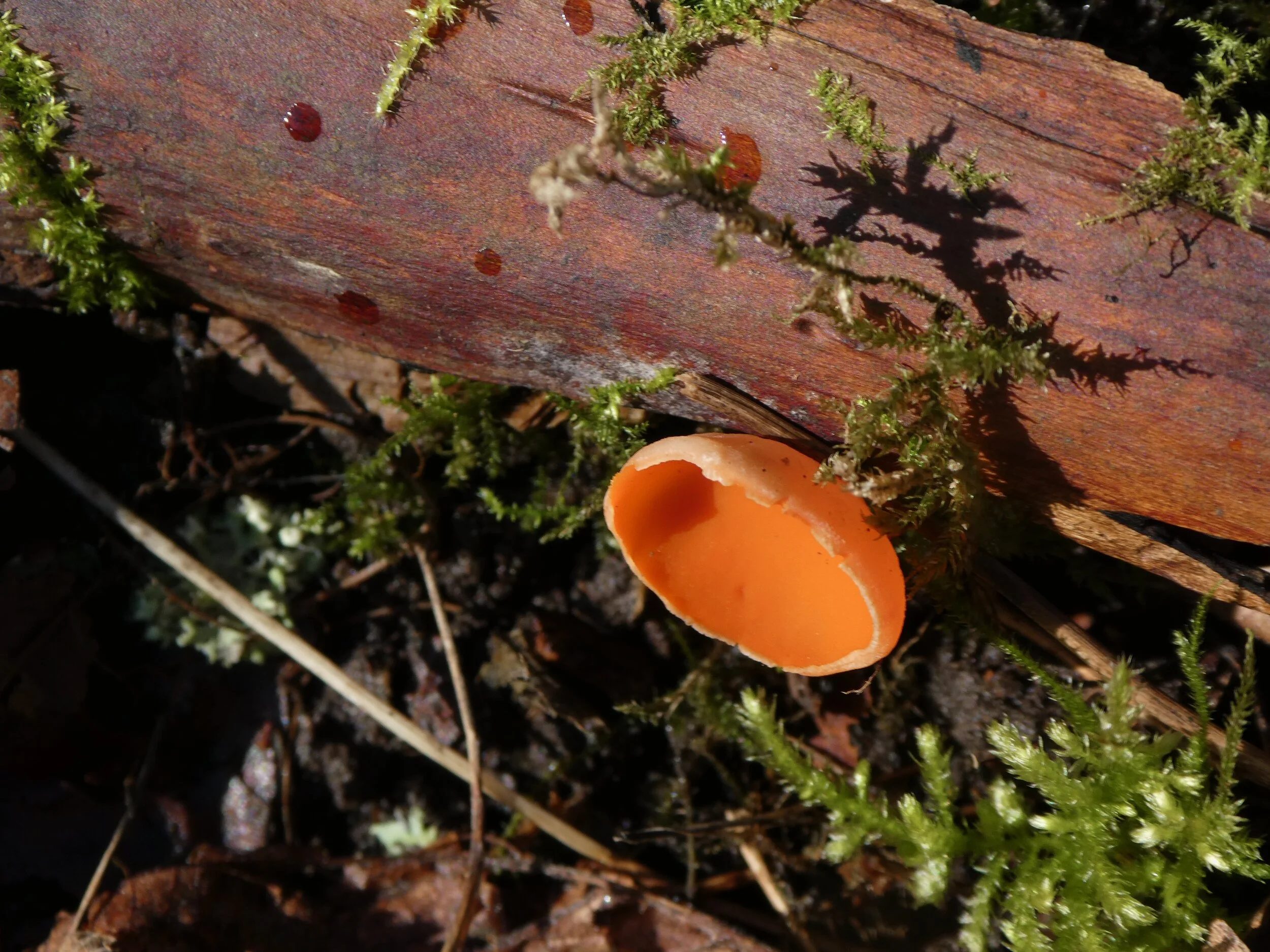
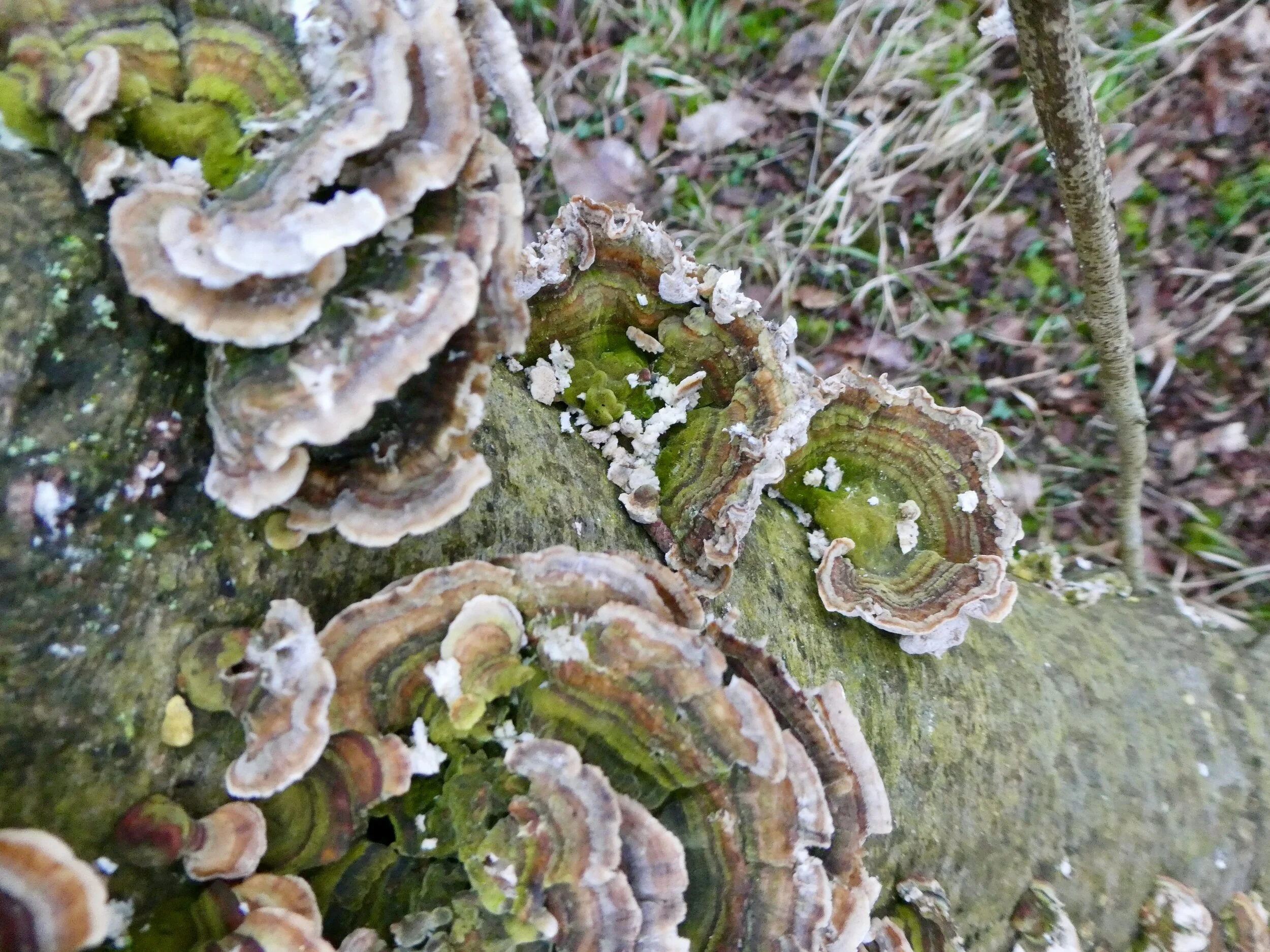
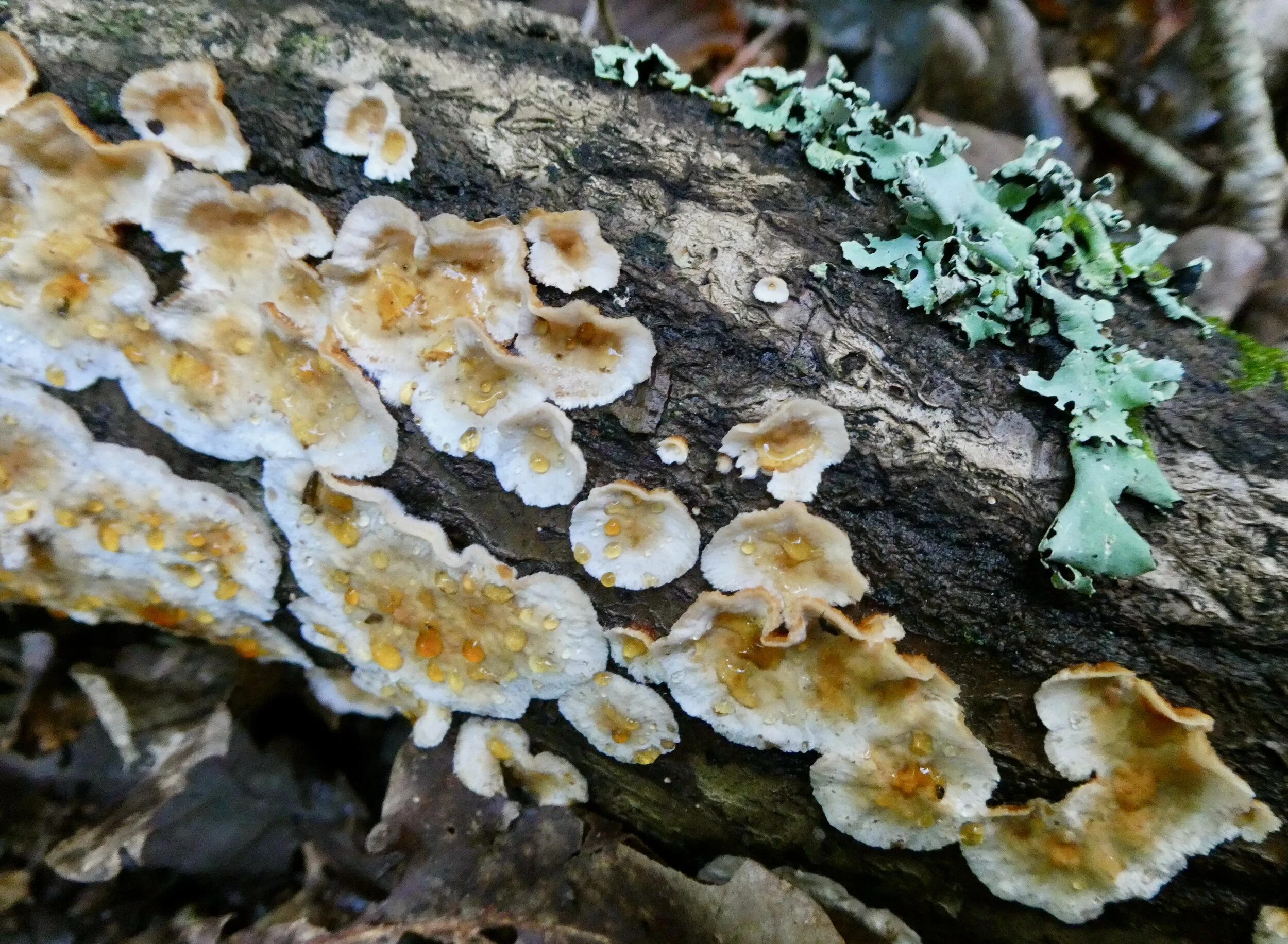
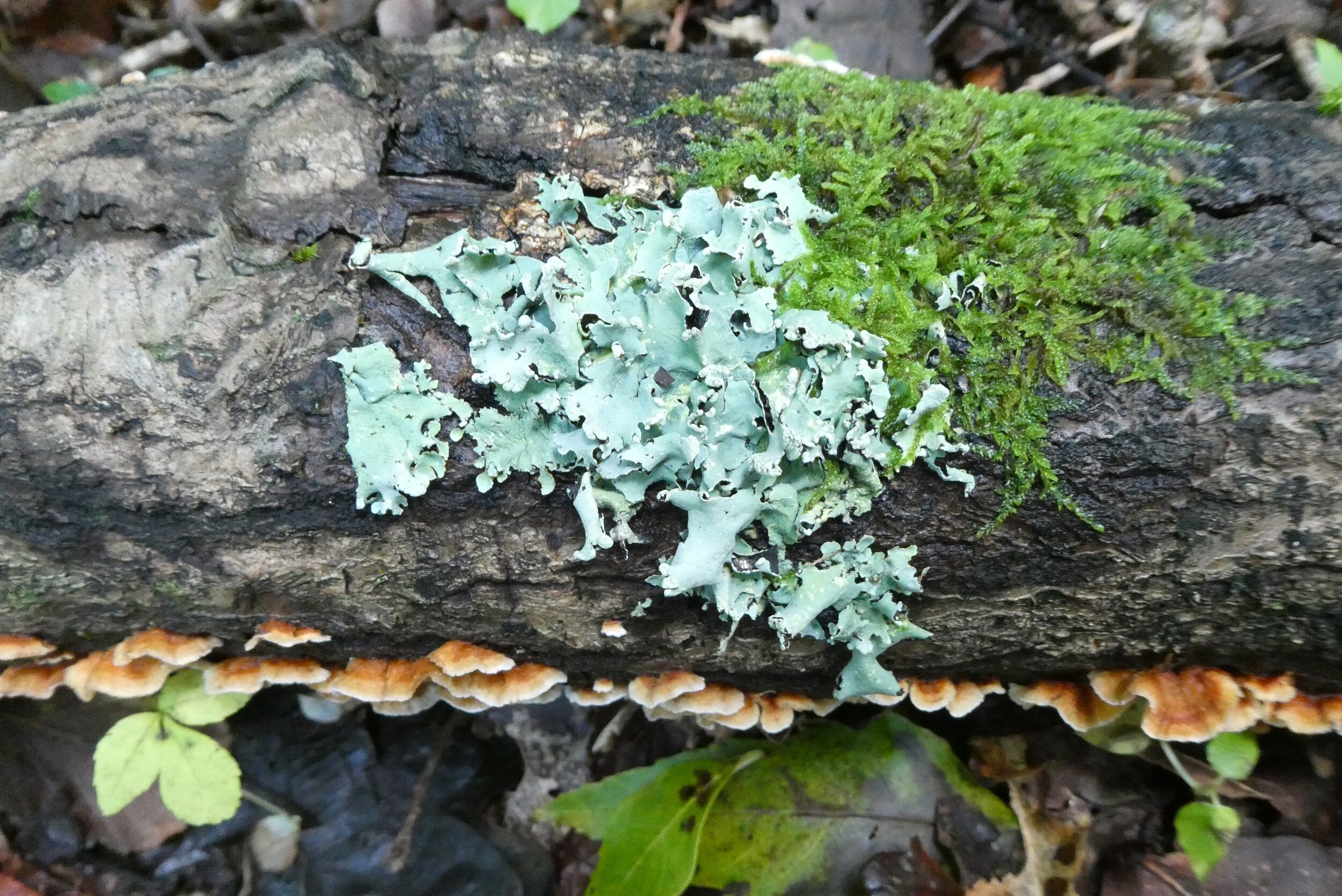
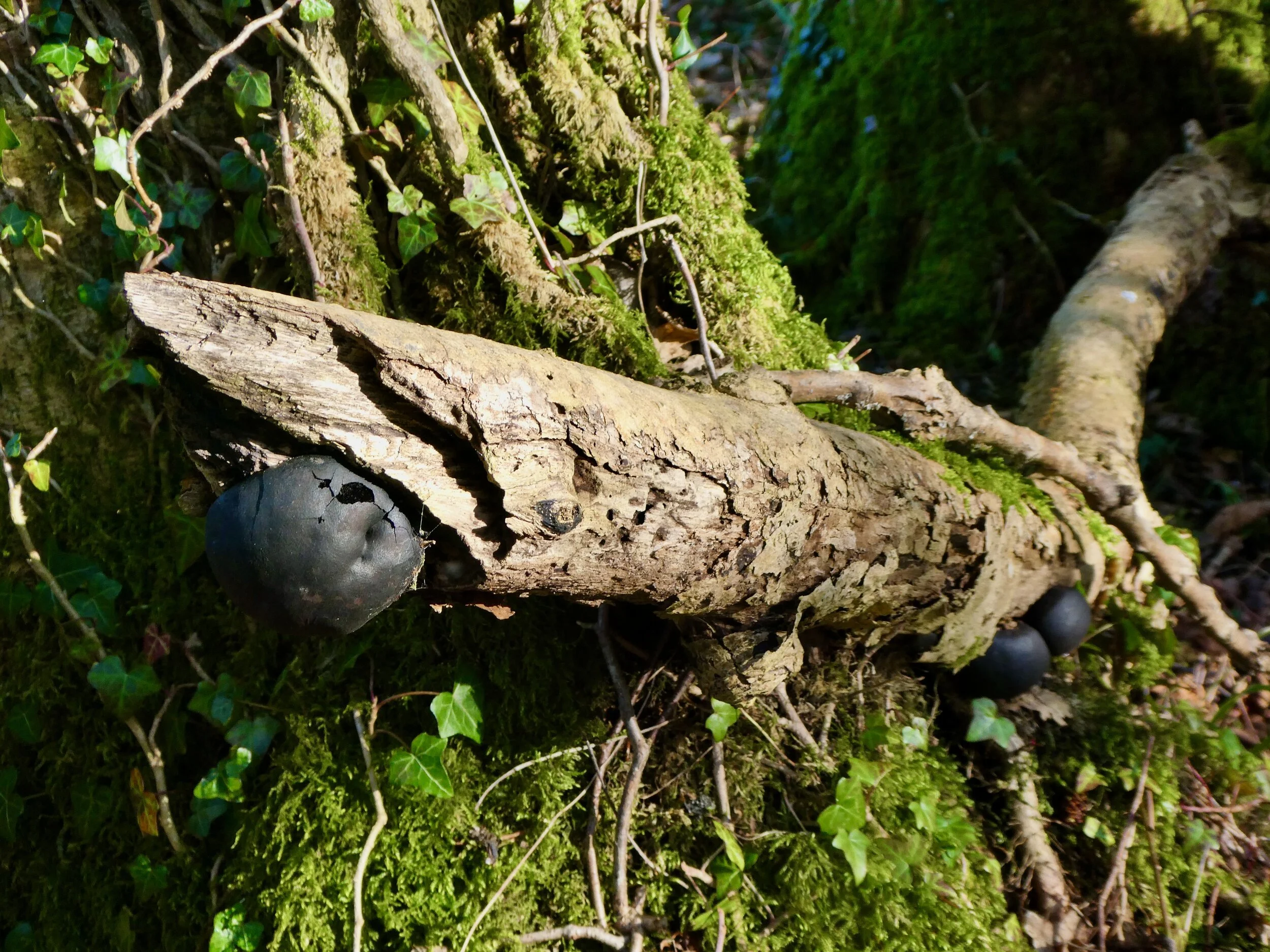
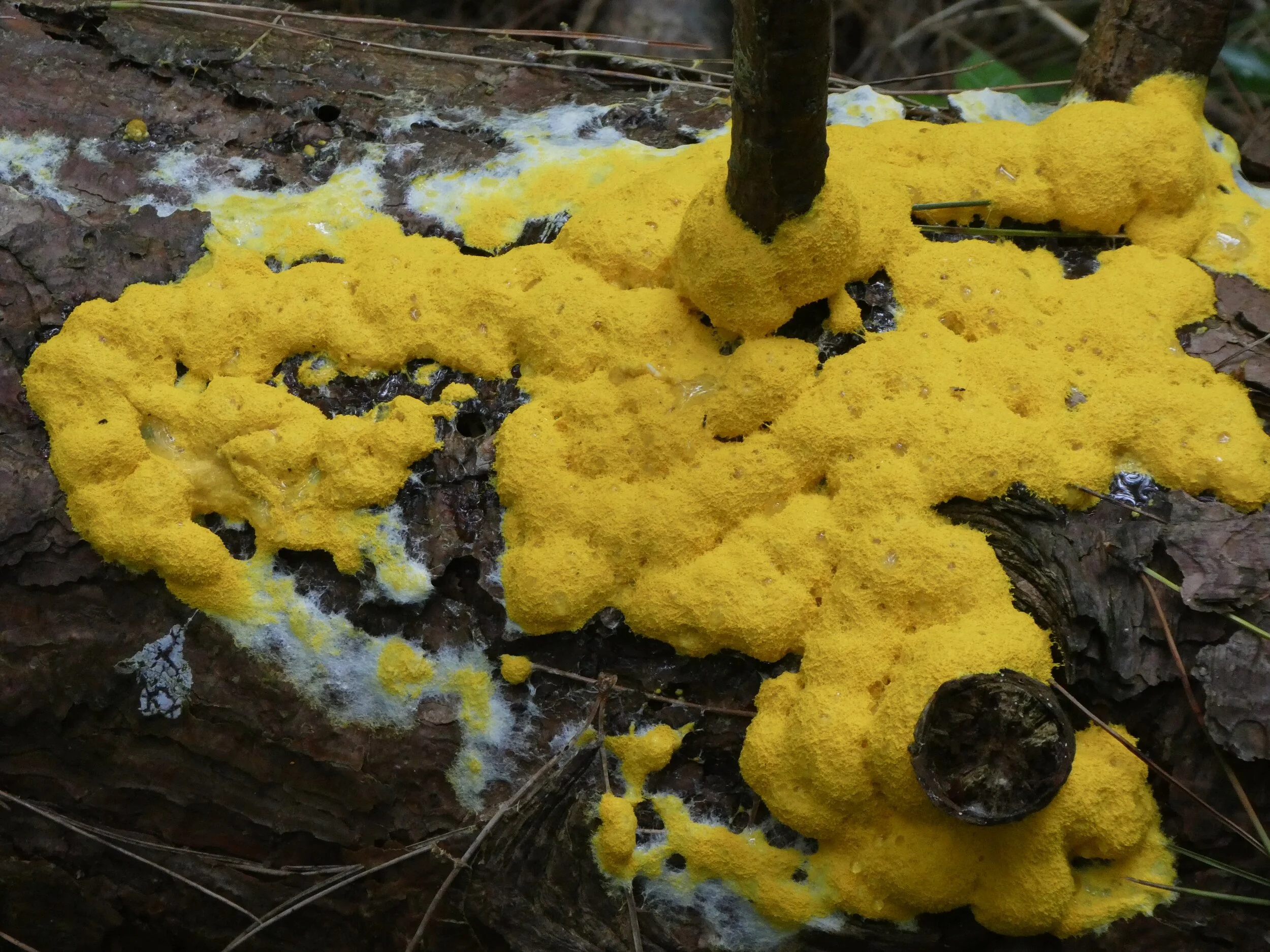
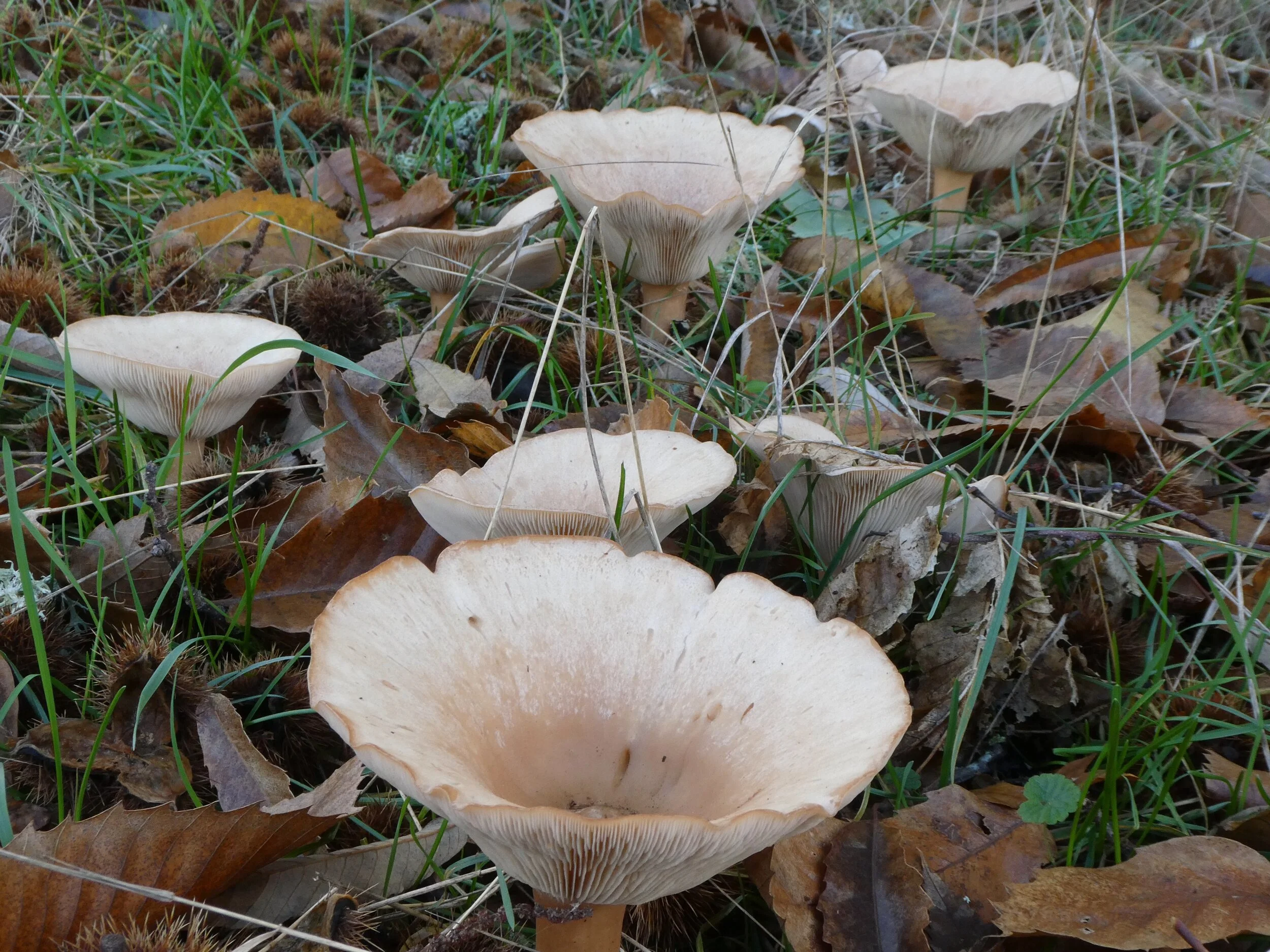
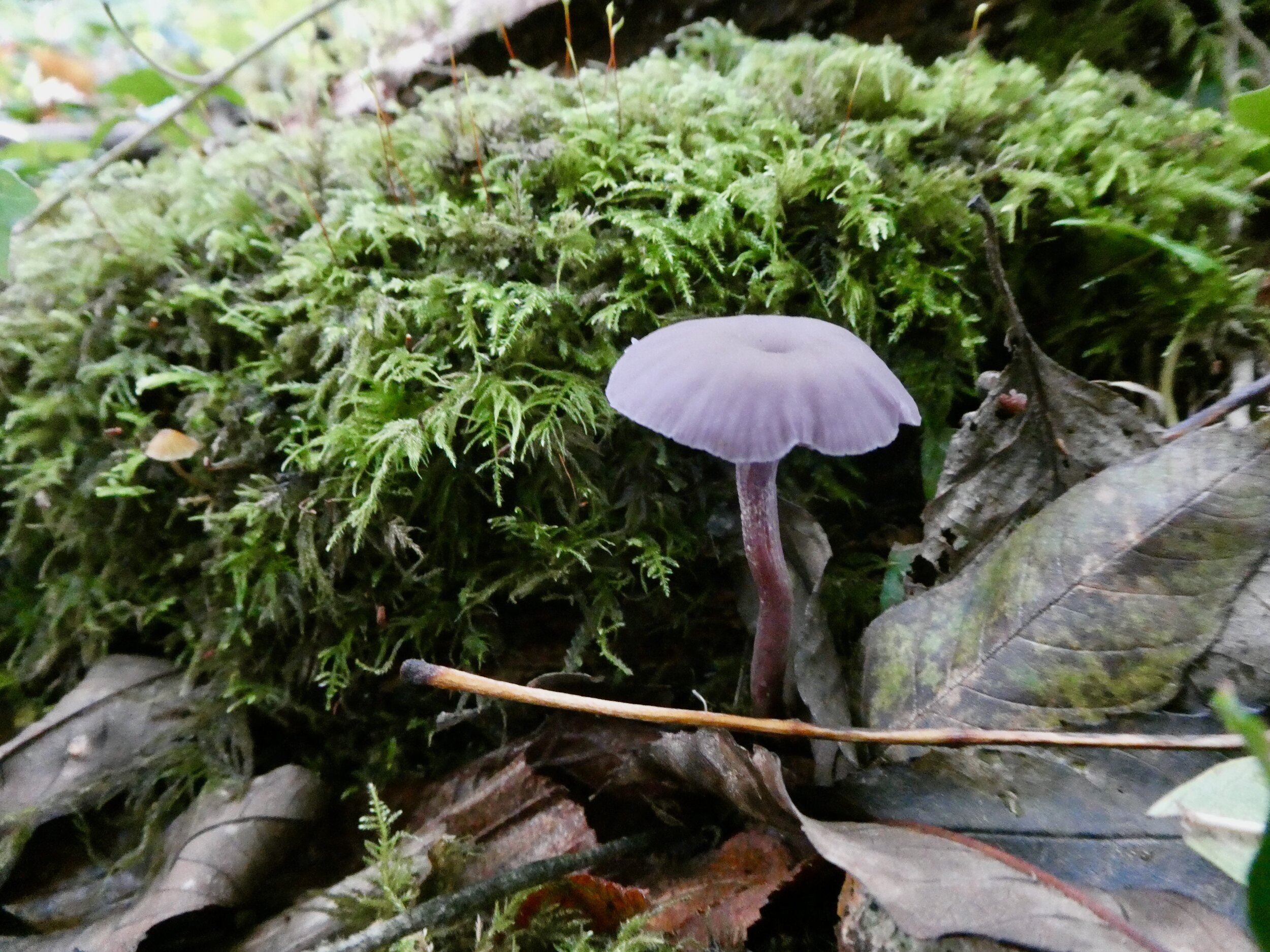
Take a look at the gallery below and see how many you can identify. I am up to about four so far. If you happen to be knowledgeable, please feel free to post any observations or corrections but do be kind. I am a self declared novice who is largely at the “they are so pretty’” stage but keen to learn.