
Ode to a Dormouse
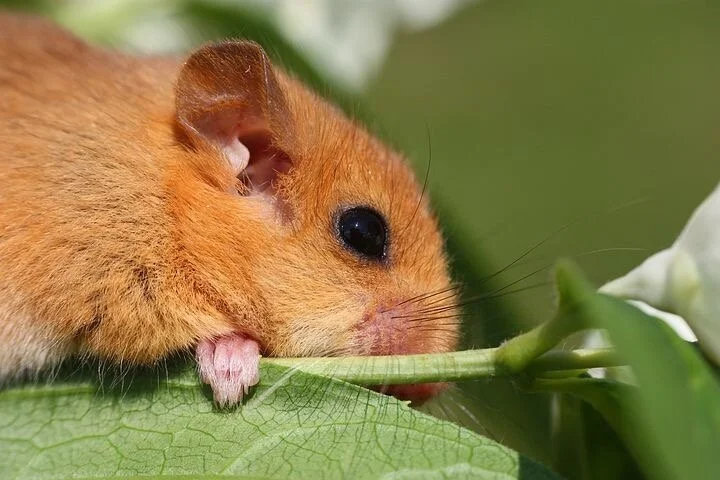
Are there Dormice in Dormouse Wood?
Yes, I believe so.
Previous owners have reported finding nests.
The South Downs National Park and the People’s Trust for Endangered Species both confirm dormice are active in the area. The wood is a classic location for the species, with all the right food sources, a perfect habitat and vitally, it has connectivity with other suitable dormouse friendly woodlands.
Plus, I have occasionally found chewed hazelnuts showing the distinctive pattern of dormouse teeth.
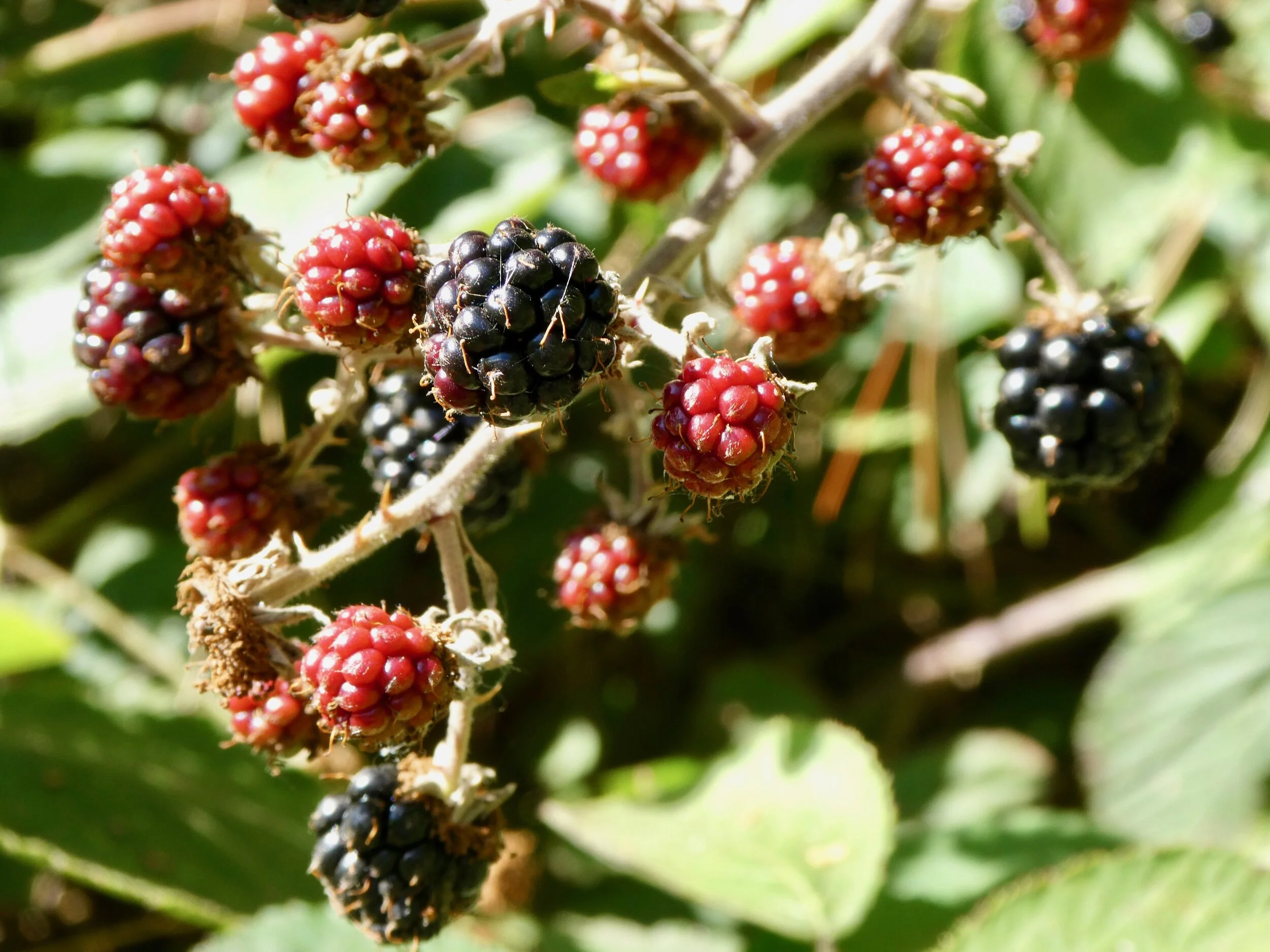
Dormice love to eat blackberries
However, I have yet to actually see a dormouse. This is not really surprising as they are nocturnal, shy, tiny and either live up in the trees or curl up to sleep in well hidden nests.
So, I have every reason to believe they live here but am still waiting for the definitive find of an actual dormouse. I will update you if I find a nest.
In the meantime I thought you might like to learn a little more about this lovely little mammal, which sadly, is at risk.
Hazel dormice have golden-brown fur and large black eyes. They are the only small British mammal with a furry tail, which is a helpful way to identify a dormouse if you think you have found one.
They are between 6.5 and 8cm, with 80% of this size being taken up by their long tails. Dormouse generally have one litter a year, with an average of four babies but they are known to be slow breeders, which doesn’t help them to thrive as a species. The young dormice are weaned after around four weeks but often remain with their mothers for some months.
Dormice are nocturnal and spend most of their time during the summer in the branches of trees. They rarely come down to the ground. They occasionally occupy old bird’s nests but mostly they weave their own. These are most often in bramble or other shrubs (so I am keeping most our the bramble patches intact). Nests are typically made from from honeysuckle bark, covered by a layer of green leaves.
Between October and May dormice hibernate in nests which they hide under the leaf litter on the woodland floor or in the base of hedges.
When conditions are cold or wet, or if food is short, dormice curl up and go into a state called torpor, which is similar to hibernation, This helps them save energy.
Dormice are what is know as successional feeders. That means that they change their food source throughout the year. In spring they feed on flowers in trees such as oak, willow and hawthorn. Next they move on to eating the flowers from brambles and honeysuckle. Over the summer they look for insects, including caterpillars and aphids. In autumn they fatten up on nuts and berries - typically hazelnuts and blackberries.
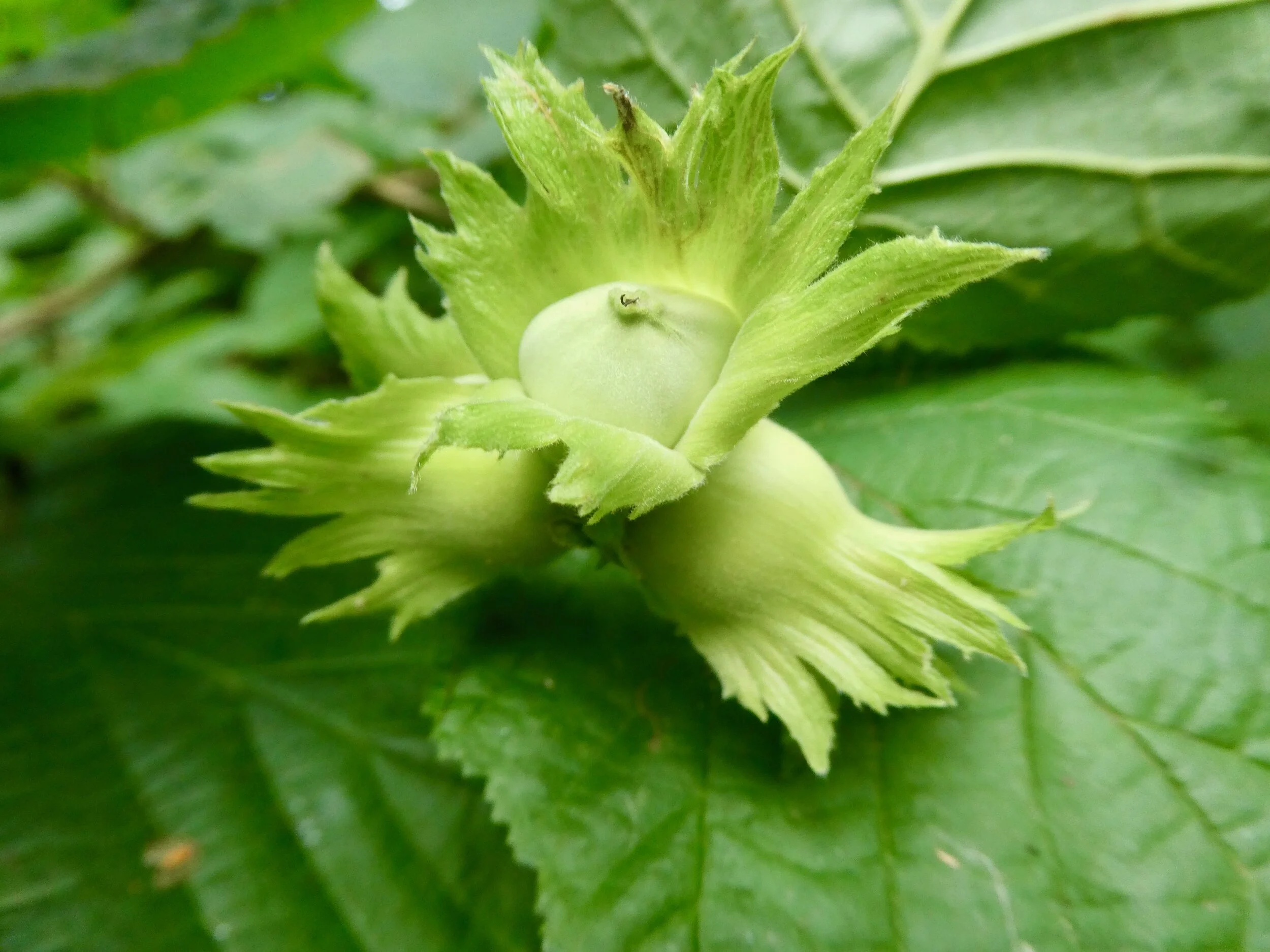
Hazelnuts ripening in June. They will be ready to eat in September /October
Dormice prefer the the new growth that occurs after woodland management, such as coppicing, ride creation / widening, or thinning of trees - all of which we are gradually working on in the wood.
Dormice generally live in older woodlands, with a well-developed understory often linked by traditional hedgerows. In many UK woodlands the management needed to maintain a well-developed woodland understory no longer takes place, making them less suitable for dormice. Removal of hedgerows, or unsuitable management, means that woods that have lost their dormice cannot be naturally repopulated, since the little animals can no longer move from place to place using their dormouse ‘highways’.
Dormouse Wood contains everything on a dormouse’s preferred diet sheet, as well as having an ideal habitat and being linked to other suitable woods by old hedgerows. So I hope you can see why I am so convinced they still live here.
For now, please ‘enjoy’ this rather badly composed but heartfelt:
Ode to a Dormouse
“Oh little Dormouse, if I could be, as invisible as thee;
My life would become so magically free.
I would search for the tallest tree; and
Then little Dormouse, I might spy thee;
Sadly though I am solid all through and no one could miss me: so what can I do?
I have little time to search for thee and you would swiftly hide if I found your tree.
So, instead I wait and hope and pray, that one glorious and sunny day;
You will come down and scamper to me;
And happy to meet, we will sit down to tea.”
THE END (for now)